
Perhaps more than our beaches, our slang words or our accents, here in Australia, we’re best known for our animals. But there’s more to our fauna than kangaroos and koalas. Go wild with these Australian animal encounters.
Quokkas of Rottnest Island
Unofficially dubbed the ‘world’s most photogenic animal’, the quokka is the small macropod with a big Instagram presence (there are 380,000 posts under the ‘#quokka’ hashtag and counting!). A vulnerable species, they can only be found in a small area of southwestern Australia – most notably, Rottnest Island. This small island off Perth annually draws over 750,000 visitors, all vying for the ultimate souvenir: a quokka selfie.
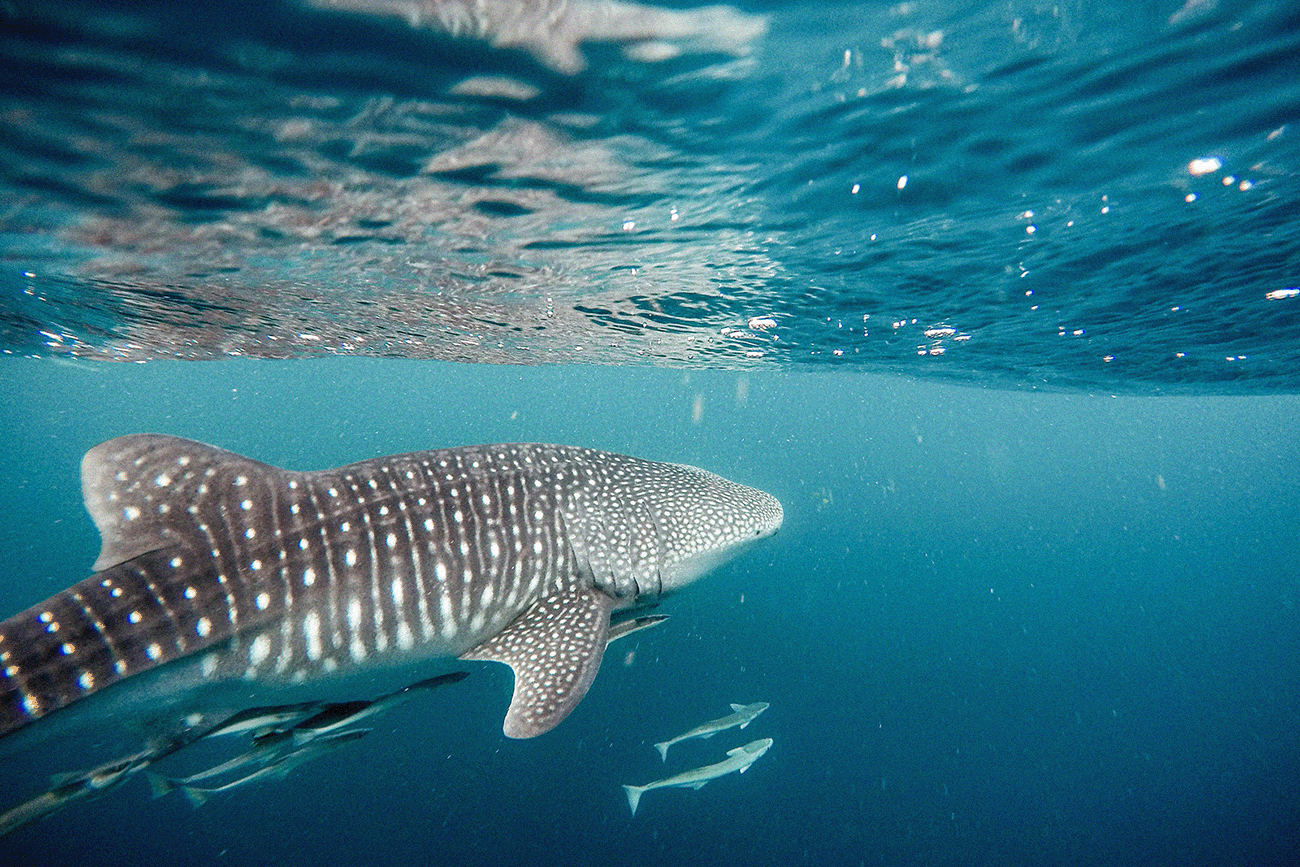
Whale sharks of Ningaloo Reef
Is it a whale, is it a shark? Technically, it’s a fish – the largest living fish species, to be precise. Though whale sharks can be found in other corners of the world, like the Philippines, Galapagos and even Mexico, Western Australia’s Ningaloo Reef boasts the highest rate of whale shark numbers and the best accessibility, meaning it’s the best place to find these gentle giants close to home.
Crocodiles of Kakadu
Did you know that the Northern Territory is home to the world’s largest wild crocodile population? Experts estimate there are around 100,000, which means there are plenty of places to spot them in the wild – Kakadu National Park included. For a heart-racing, blood-pumping croc spotting experience, look no further than a crocodile cruise on the Adelaide River. The cooler months of June, July and August are the best time to see them, when they make their way to the shore to bask in the sun.
Our tip: Scared of encountering these prehistoric beasts in the wild? A trip to Australia Zoo’s Crocoseum is the next best thing.
Penguins and seals of Phillip Island
Just over two hours from Melbourne by car, Phillip Island is home to the world’s largest colony of ‘little penguins’. The smallest penguin species, these flightless seabirds are also known as fairy penguins and are best spotted during a ‘Penguin Parade’. The best part? They’re not the only animals you can spot on the island. At the appropriately named Seal Rocks, you’ll also find Australia’s largest colony of fur seals – and a boat cruise is one of the best ways to see them.
Wombats of Tasmania
Did you know that a group of wombats is called a ‘wisdom’? Or that Tasmania is one of the best places to spot them? From Maria Island to Cradle Mountain, wombats abound on the island state. While they are a slightly different sub-species to those found on the mainland, don’t worry – they’re just as round and adorable as you’d imagine. On Flinders Island, for example, they’re blonder than most. Perhaps it’s all the time they’re spending at the beach?
Sealife of the Great Barrier Reef
African safaris have ‘the big five’ – on the Great Barrier Reef, they have the ‘great eight’. Next time you’re snorkelling around Lady Elliot Island, Heron Island or the Ribbon Reefs, keep an eye out for the following marine animals: clownfish, giant clams, manta rays, Maori wrasse (behold their ‘puppy-like behaviour’), the friendly potato cod, turtles, whales, and over 50 species of sharks (some more dangerous than others).
Dingoes of K’gari (Fraser Island)
Unlike much of the country, dingoes in Queensland’s national parks are protected as a native species – especially on K’gari, where they have had few chances to crossbreed with domestic and feral dogs. As a result, K’gari is home to around 200 dingoes – all protected, all ‘pure strain’ (or purer than anywhere else in the country). While it’s beautiful to behold their distinctive golden coat and cute white ‘socks’, it’s important you keep your distance. You’re visiting their home, after all.
Cassowaries of the Daintree
Named for the Papuan phrase ‘kasu weri’ (meaning horned head), the southern cassowary is the third tallest, second heaviest living bird – and, some say, the most dangerous. They’re most often spotted in North Queensland – in fact, the Daintree Rainforest is in the heart of a ‘cassowary corridor’, and you’ll likely see them from the moment you arrive at the visitors centre. Just be sure to keep your distance – their vivid colouring belies their aggression if provoked.
Camels of Uluru
Sure, they’re not technically an Australian animal, but navigating the Red Centre atop a camel is one of the most memorable outback experiences you can have. After being introduced in the 18th century as working animals, they were released into the wild in the early 20th century – only to become pests. Now, responsible camel tour providers are putting them to work once again, leading ‘camel trains’ around the desert.