
When COVID hit, we all had to sacrifice sustainability for safety – and understandably so. Cafes stopped accepting reusables, masks and gloves became part of daily life, and single-use cups and cutlery were handed out liberally to help us ‘stop the spread’.
Now, with the pandemic well and truly over and the world opening up again, it’s time to shift back to those habits that are kinder to the planet.
The good news? Living more sustainably doesn’t require an all-or-nothing approach. It’s the little, everyday choices that add up. Here are some simple ways to reintroduce sustainability into your routine:
Bring back the reusable cup
Your morning coffee run is the perfect place to start. For years, ‘keep cups’ were the badge of the eco-conscious – until the pandemic made baristas wary of handling them. Now they’re back in full swing, and many cafes actively encourage customers to ditch the disposables. Some even offer a discount for BYO cups, meaning it’s a habit that helps both the environment and your wallet. Keep one in your bag or car so you’re never caught short.
Make reusables your go-to
It’s amazing how much waste comes from “just in case” packaging – a takeaway water bottle here, a plastic bag there. By keeping a set of reusables on hand (a stainless-steel bottle, a canvas tote, or even a foldable set of cutlery), you’ll automatically cut down your single-use footprint. In the kitchen, small swaps like replacing cling wrap with beeswax wraps, choosing glass storage containers over plastic, or using cloth napkins at home can drastically reduce household waste. These swaps quickly become second nature once you’ve made them.
Buy in bulk
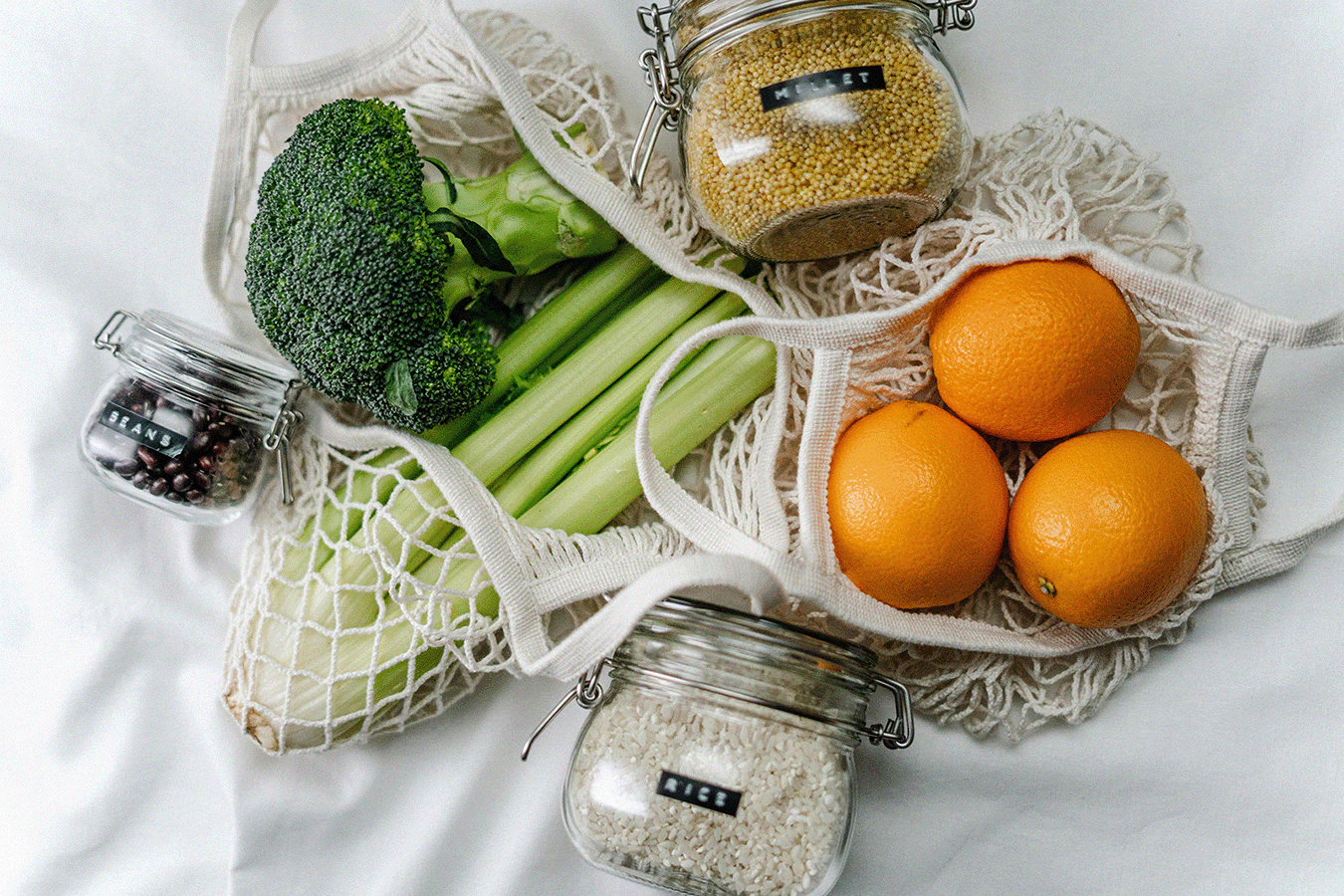
But not in a Costco way. Bulk food shopping doesn’t have to mean a trolley piled high with 5kg tubs of peanut butter (no judgement if that’s your thing, though). On the Gold Coast, stores like Flannery’s and The Source Bulk Foods make it easy to bring your own jars or containers and top them up with pantry staples – everything from pasta and rice to spices, nuts and muesli. Not only does it cut down on single-use plastic packaging, but you can also buy exactly the amount you need, which helps reduce food waste too. It’s sustainable, practical and surprisingly satisfying to see your kitchen shelves lined with neatly filled jars.
 Support businesses that support the planet
 Support businesses that support the planet
It’s easier to make sustainable choices when the places you shop are doing their part too. Take Yo-Chi, the cult favourite frozen yoghurt brand: they’ve partnered with KeepCup to create reusable, colourful fro-yo bowls. They even offer a 10% discount every time you bring one back for a refill. Not only does it keep countless single-use containers out of landfill, but it makes treating yourself that little bit sweeter. Look out for similar incentives from local cafes, restaurants and retailers – every dollar spent is a vote for the kind of future you want.
Think local, think seasonal
Sustainability doesn’t just come down to packaging. The food miles attached to what you eat can make a huge difference to your carbon footprint. Shopping at a local farmers market means less transport, less packaging, and fresher produce that’s picked closer to when you actually eat it. Plus, seasonal eating supports local growers, introduces variety into your meals, and often comes with a price tag that beats the supermarket. A punnet of strawberries in spring or mandarins in winter? They’ll always taste better when they’re in season.
Rethink your commute
Transport is one of the biggest contributors to carbon emissions, but it’s also an area where small changes can have a major impact. Unfortunately, cars are the preferred means of transport on the Gold Coast, but there are certainly opportunities to use yours less. Walking or cycling not only reduces emissions, but also boosts your physical and mental health. And with public transport fares now capped at just 50 cents, there’s never been a more affordable time to hop on a bus, train or tram. Choosing these options over driving solo makes a tangible difference – and your bank account will thank you too.
Remember…
Overhauling your lifestyle overnight is unrealistic – and unnecessary. Sustainability is best approached one habit at a time.
Start small: maybe it’s carrying a reusable straw, saying no to fast fashion impulse buys, or finally starting that compost bin you’ve been meaning to set up. Once a habit sticks, layer on another. It’s the compounding effect of many small, consistent changes that makes the real difference, not perfection from day one.